• Donate Page
(706) 324-HOME (4663)

NeighborWorks Columbus, GA

  • Home
  • Services
    • Down Payment Assistance
    • Preparation
    • Lending
    • Pay Mortgage
  • Homebuyer Education
  • Real Estate
    • Newman’s Crossing Proposal Submissions
    • Available Listings
    • Realtor Partners
    • Elliott’s Walk
    • Highland Homes on 4th
  • About Us
    • Mission and Values
    • Board of Directors
    • Leadership Team
    • Annual Report
    • Financial Info
      • 2022 Tax Return
    • Partners and Supporters
    • Strategic Plan
    • Executive Summary
    • Our Blog
  • THE TEAM
  • Donate

Creating a budget for crisis

We talk a lot around here about budgets. But what about unexpected financial hits? How do you plan for those?

While you can’t account for every potential scenario, there are ways to prepare for the unknown without knowing exactly what that is. This is what experts call a crisis budget.

Before we dive in, this advice really is for the person who has already gotten the hang of budgeting under normal circumstances. If you need help with those skills, you may find our Third Thursday financial courses a great start! 

Think of a crisis budget like a fire drill–you want to know your escape route before the fire strikes. It’s not meant to be a doom-and-gloom outlook but rather just a way to be as prepared as you can be for something that hopefully won’t happen. 

The first step of being prepared for disaster is to have an emergency fund. Experts recommend a savings for this of $1,000 to $3,000, but obviously, the higher this fund is the longer you could last on limited or no income. Here are some tips for building your savings if you don’t have this yet. 

As part of basic budgeting, you have a list of your income and your expenses each month. As part of crisis budgeting, you really zero in on your priorities. If your income was drastically cut for whatever reason, what is essential to your budget?

Under normal circumstances, maybe you can afford streaming services and unlimited data on your phone plan. But in a crisis, perhaps those are things you can do without. 

Perhaps your monthly budget allows for so much in groceries each month, but in a crisis, how could you simplify your meal planning to something more basic?

These are the things that are helpful to consider before you really need to. If you are really clear on your priorities, and have done the math to see that you will be able to financially float for a bit, that is one less thing to worry about if you do take a financial hit for some reason. 
Filed Under: Blog, Financial Tips Tagged With: affordable housing columbus ga, budgeting, financial fitness

Managing Credit Cards

Credit cards can get a person into a lot of trouble and for good reason. When misused, credit cards can lead to unnecessary debt that can become a financial burden.

But in the right circumstances, credit cards can be a powerful tool to help establish credit. 

In the NeighborWorks Columbus homeownership program, we walk with people through the processes of building a strong financial foundation. This includes creating and maintaining a budget, helping people manage their debts and rebuild their credit scores, and for some it includes establishing credit in the first place. 

This is where credit cards come into play, but many people wonder where to start. Which credit card should you get? How should you use it? These are the questions we will walk through now. 

Who should get a credit card?

If you are struggling to manage your budget, it is not the time to get a credit card. But, if you have successfully built a money management plan and stuck to it, a credit card could be beneficial for you to boost your credit score. 

Which credit card should you get?

There are several credit cards that are known as starter cards. You will want to ensure you don’t get a credit card that comes with a fee. You also want to ensure your card has a relatively low spending limit to start out with so you don’t get into trouble. To get the most benefit from your cards, you also want to get one that reports to all three major credit bureaus. 

How do you use your credit card for the most benefit?

Spending isn’t usually an issue for people, right? If anything we need to be careful to not overspend, whether you’re using a credit card or any form of money. 

But, what we’re talking about here is how to use your credit card in a way that actually provides a benefit to your credit and doesn’t hinder it. 

There are a few key things to make a credit card work for you and not against you. The first is to set a monthly spending limit that is well within your budget. Some people choose to use it to only pay for gas, for example. 

You also want to make sure the spending cap you choose is not the one the credit card company gives you. The best way to use this card is to spend no more than 30% of what your limit is at any given time. So, if your credit card gives you a $1,000 limit, you will want to make sure you never have more than a $300 balance. 

Finally, and most importantly, make sure you pay your entire balance on time, every time. Setting up automatic payments is the best way to ensure you don’t forget. 

Filed Under: Blog, Financial Tips Tagged With: affordable housing, credit cards, financial fitness, homeownership

All About Credit

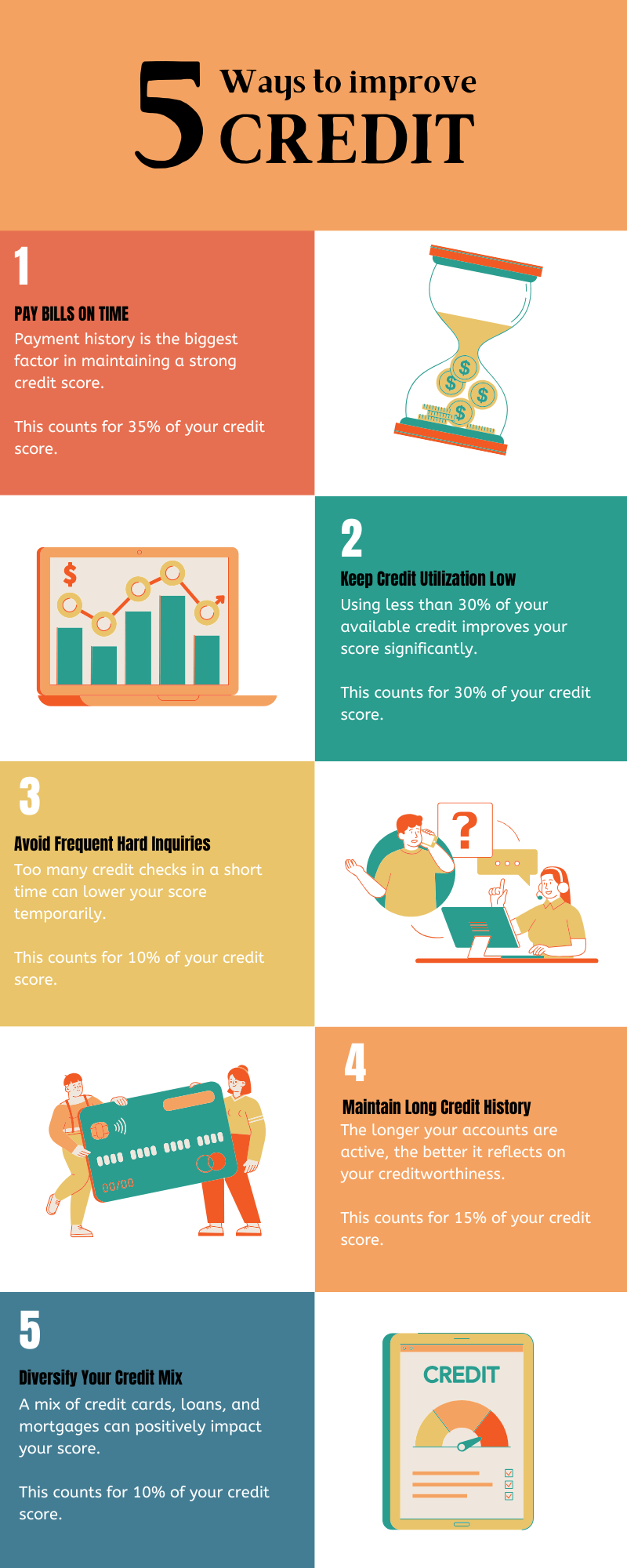
Last month we talked to you about debt and how you can manage it to improve your credit score. Now let’s take a deeper look at credit.

Credit overview

Credit is a contract where a borrower owes money to a lender. These can be things like a mortgage, car note, student loan, or credit card. What  likely comes to mind  when thinking of credit is the credit score or ranking. 

Credit Score Basics

A credit score is a measurement system where lenders can determine how risky it is to loan you money based on how well you are managing your money and paying your debts on time. The score ranges from 300 to 850, and the higher the number the more likely you are to get approved for a loan at the most favorable interest rate. 

There are several things the scoring agencies take into account when calculating your credit score:

  • 35% of your score is determined by your payment history (whether you pay your bills on time). 
  • 30% takes into account how much of the credit you have available that you are using. Basically, the less you are spending on your credit maximum, the better. 
  • 15% is based on how long you have had credit.  So a 30-year-old who has had a credit card and paid it faithfully for 10 years will have a higher score than an 18-year-old with a credit card they have been paying for a few months. 
  • 10% is determined by your recently opened credits and inquiries. Every time you apply for a new line of credit (i.e. credit card), a lender will run an inquiry on your credit history. This will stay on your report for two years. At NeighborWorks Columbus we will run an initial credit history with a “soft inquiry” meaning it will not affect your credit score. 
  • 10% is from the types and mix of credit, meaning that its more favorable to have a variety of credit, like student loans, a car payment, and a mortgage. Of course, this is a low indicator in terms of affecting your score, so it’s far more important to be a good manager of your money than to take out multiple loans. 

While it’s not necessary to memorize all the details of how your credit score is calculated, these give you a good idea of areas to work on if you are aiming to improve your credit score. 

Since most of your credit score is determined by your money management, budgeting and tracking your spending is the best place to start. Here’s an article with some tips. 

Next, you want to work on paying off debt and lowering your DTI, which you can read about here. 

If you fall in the boat of being good at managing your money, but you have limited credit history established, this is the time to consider getting a credit card. You will want to use it cautiously and wisely and pay it off on time or else it will have a negative impact on your overall score. 

All this information comes from the Freddie Mac CreditSmart Essentials program, which we are working through on our Third Thursday classes. If you’d like to join us, please sign up here.

Filed Under: Financial Tips Tagged With: affordable housing columbus ga, credit repair columbus ga, housing Columbus Ga, money management

Dealing with debt

Debt is something nearly every American has on some level, but how does debt really impact your ability to purchase a home? Let’s dive in. 

Debt 101

Debt is anything you owe to someone else, including a car payment, student loans, credit cards, and more. Debt is often looked upon as negative, but if managed properly debt can be a tool to help boost your credit scores. 

Not all debt is created equally. If you owe your Grandma $10, this does nothing for your credit score. If you have a small credit card that you use responsibly and pay off faithfully, that will raise your credit. On the other hand, if you are in over your head on payments or have too much debt, this will hurt your credit score and lending prospects. 

How much is too much?

That really depends. First, if you are not able to keep up with your payments, then you have too much debt. 

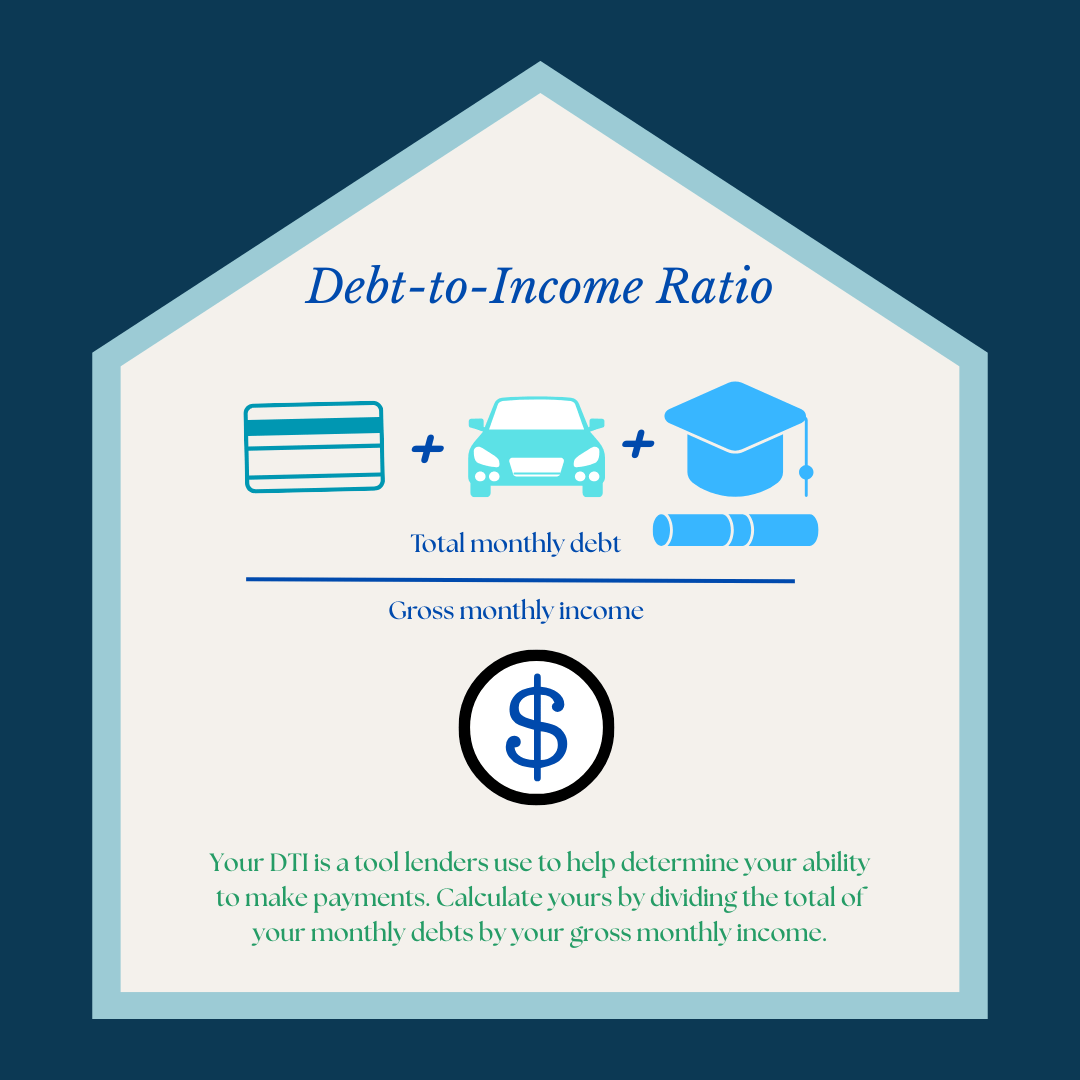
The more technical answer comes down to your debt-to-income (DTI) ratio. This takes into account how much debt you have compared to your actual income. While it’s best to always keep your DTI as low as possible, to get approved for a mortgage, you need it to be 36% or lower. 

To figure out this number for yourself, you add up all your recurring monthly debt amounts and divide them by your monthly gross income. So if you pay $25/month on your credit card, $100 on student loans, and $700 in rent, your monthly debt total is $825. Say you make $2,500/month in gross income. This would make your DTI 33%. 

Wells Fargo has a handy DTI calculator here.

Can you change your DTI?

Yes, you can! In fact, this is one of the big things many of NeighborWorks Columbus’s clients work on in our Homeownership Program. Freddie Mac CreditSmart Essentials has several tips we will share on how you can start this process. 

  • Debt snowball

The debt snowball method is a popular strategy for reducing debt. You list all your debts by their total amounts, and make minimum payments on all of them except the smallest one. That one you pay all that you can toward it to pay it off first, then once that smallest one is paid, you begin on the next one and so on. This helps increase your spending power and boost confidence as you make progress on your goals. 

  • Debt avalanche

This method is similar in concept only instead of choosing the loan with the smallest dollar amount to start with you begin tackling the loan with the highest interest rate first. The pro of this method is you will pay less interest over time. 

  • Debt consolidation

Sometimes the best strategy is to consolidate your debt payments into one. You may be able to get better interest rates when you do this, and another advantage is it makes your life a little easier to only have one bill to manage. 

This debt discussion is just the tip of the iceberg. In our Third Thursday Financial Fitness courses, we’re working through the Freddie Mac CreditSmart Essentials workbook for the next couple of months. Our next session is on Thursday, Aug. 21. Sign up here. 

And, in our homeownership program, we work one-on-one with you to help you tailor these tips to your specific need. Begin your journey here. 

Filed Under: Financial Tips

Keeping your goals alive during the holidays

Imagine this: You’re getting the hang of budgeting. You’re maybe even beginning to save a little money. You’re financially on track–and then, the holiday season hits and you lose focus. 

In a season that is full of distraction, festive events, and shopping deals, even the most well-intentioned financial planner can drift from their goals. So as we head toward the holidays, let’s equip ourselves with some tools to help avoid some of these pitfalls. 

  1. Make a plan before you get busy.

Most of us have a calendar that gets quite full between October and December. Gatherings with family and friends; performances to attend; traveling for some of us; and holidays themselves. Everyone’s schedule won’t look the same, but most of us will have some level of busyness creep in. So now, before you are swimming in festivities, is the perfect time to make a spending plan. 

Of course, we always recommend starting with your budget. If you don’t know how much you have available to spend on various things, you won’t be able to make a very good plan. If your money is tight, you could consider a way to make a little extra money, if spending is something you’d like to do this season. Possibly, there’s something you could sell on Marketplace or you could take on a small side job for the holidays, like house cleaning, yard work or one of these other ideas. 

Once you know how much you have to work with, you can prioritize the most important things to spend your money on. We even recommend planning what you want to buy, for whom, and where you may get it from. Any pre-planned detail will help you avoid impulsive spending when you get those ads in your inbox!

      2. Prioritize yourself.

The holidays are often considered a “season of giving,” but we’re here to tell you that prioritizing your own goals and needs is important. If you are saving for a big goal, like homeownership, or working toward paying off your debts, do not let those goals go. Do not let outside pressures to spend derail your progress. Remember, this goal won’t last forever, and it will make future celebrations all that much more exciting!

      3. Get creative.

Even while staying laser-focused on your goals, you can still find many ways to get in the spirit of the holidays! Have a fancy party or church event to attend and need a new outfit? Maybe you can start shopping second-hand or hold out for a big sale and find the perfect attire. Want to give some great gifts? Watch those sale ads and wait for the best deal. Perhaps you prioritize the children in your spending and send cards to adults? Maybe you can use your talents to offer a nice gift or service.

We fully believe you can have a meaningful holiday season, no matter your income or financial goals. We hope some of these tips can help you be festive without breaking the bank or your progress. 


But to end, if you overspend–like Forbes says 7 of 10 Americans do, you are not alone.Give yourself grace and continue working toward the finish line. Whatever holidays look like for you and yours, may your season be full of warmth, love, and light! 

Filed Under: Blog, Financial Tips Tagged With: affordable housing, columbus ga, financial planning columbus ga, holiday budget, holiday spending, saving during holidays

  • 1
  • 2
  • 3
  • 4
  • Next Page »

Sitemap

About Us
Blog
Services
Available Sales
Privacy Policy

Donate
Resources
Amazon

Member Associations


Contact Us

NeighborWorks® Columbus
345 Sixth Street
Columbus, GA 31901
706.324.HOME (4663)
Click here to email us

Copyright © 2026 · NEIGHBORWORKS COLUMBUS, ALL RIGHTS RESERVED.
NeighborWorks Columbus is a Georgia Residential Mortgage Licensee #18557 NMLS #168384