• Donate Page
(706) 324-HOME (4663)

NeighborWorks Columbus, GA

  • Home
  • Services
    • Down Payment Assistance
    • Preparation
    • Lending
    • Pay Mortgage
  • Homebuyer Education
  • Real Estate
    • Newman’s Crossing Proposal Submissions
    • Available Listings
    • Realtor Partners
    • Elliott’s Walk
    • Highland Homes on 4th
  • About Us
    • Mission and Values
    • Board of Directors
    • Leadership Team
    • Annual Report
    • Financial Info
      • 2022 Tax Return
    • Partners and Supporters
    • Strategic Plan
    • Executive Summary
    • Our Blog
  • THE TEAM
  • Donate

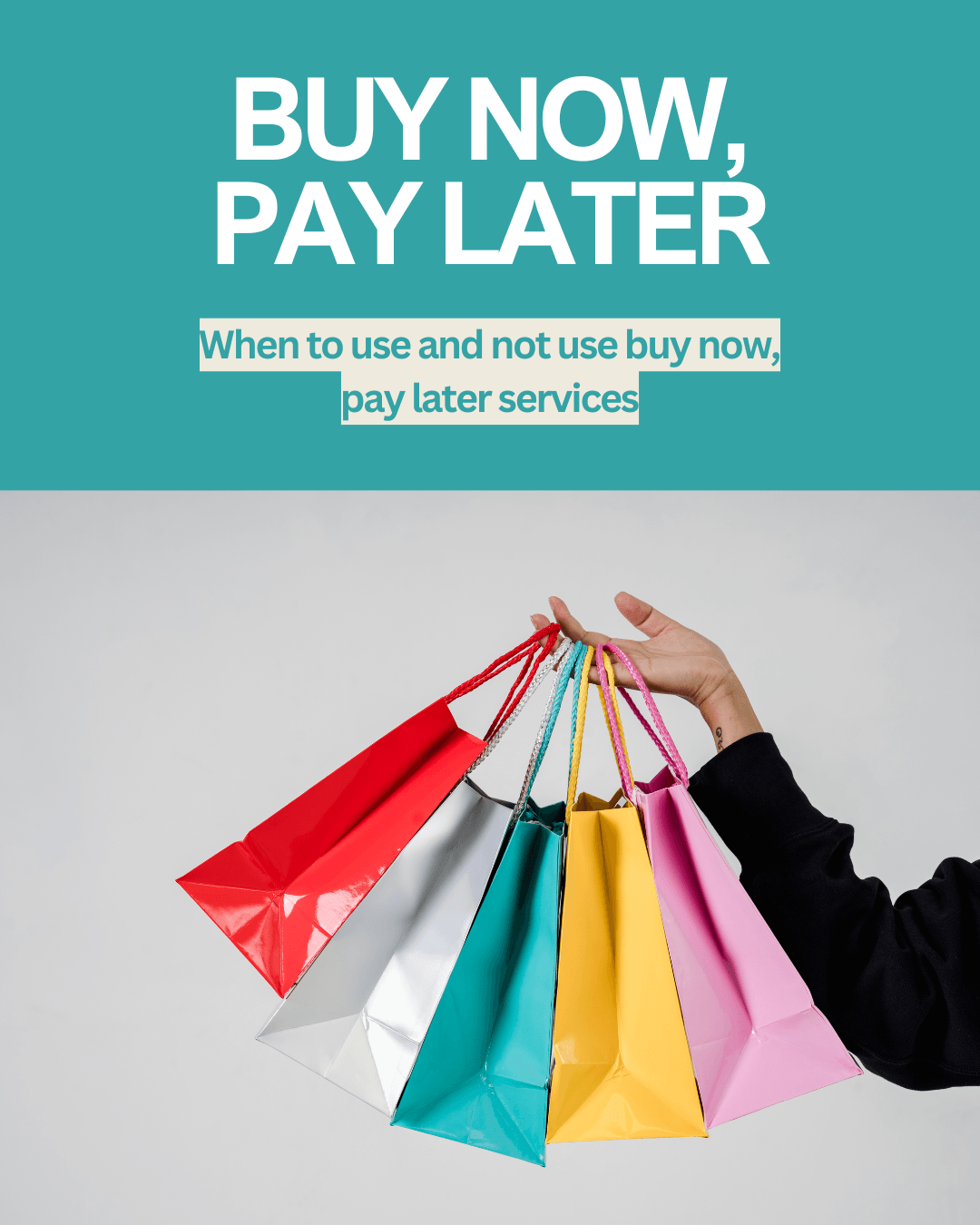
Should you buy now, pay later?

Even when money is tight, that doesn’t make us stop wanting or even needing to purchase things. So when a Buy Now, Pay Later option is on the table, it can be tempting to take it. That’s not inherently a bad spending choice, but it’s important to take a few things into consideration before you jump at the chance.  

What is Buy Now, Pay Later?  

Chances are you’ve seen this advertised when you make a purchase online, and sometimes in the store. BNPL gives you the option essentially to make payments on a purchase overtime rather than all at once. Sometimes BNPL plans come with interest rates and fees, and other times those fees are only stacked on as penalties for not paying.  

When is BNPL a good option? 

Making payments overtime can certainly be a budget-friendly option. Especially if you have to make a major purchase you aren’t prepared to handle with an emergency fund. Financial experts recommend you really only utilize BNPL for truly needed items.  

When should you avoid it? 

There are a few things to really caution about BNPL. For one, you really do not want to be making payments on multiple BNPL purchases at once. This can really defeat the purpose and increases the risk that you will miss a payment overtime.  

Sometimes a BNPL will do a hard pull on your credit. If you are working on improving your credit score, this can penalize you. Some options may not check credit, and some may just use a soft-pull of your credit, which will not affect your score.  

What else to watch for: 

Read the fine print! You want to be aware of any fees and any penalties before you commit. 

Essentially, BNPL can be an OK choice, but we don’t recommend it across the board or lightly. Join us on Third Thursdays to discuss these and many more financial tips!

Filed Under: Blog, Financial Tips Tagged With: affordable housing, buy now, columbus ga, pay later, third thursdays

Guarding against ID Theft

Did you know that per capita Georgia ranks number 2 in the country for identity theft cases? That’s not great news for us Georgians, but it’s also not a reason to despair. There are steps you can take both on and offline to help mitigate the risk and protect yourself from threats.   

What is Identity theft?
As if we don’t have enough to worry about, there are people out there working to capture our personal and financial information. This can look like literally stealing your wallet to get your information or it can come in the form of deceptive phishing scams. People can use your information to open spending accounts, apply for loans, and even get medical care. Both adults and children can be susceptible to this crime.  

Steps to safeguard IRL: 

  1. Leave important info at home: Obviously you will most likely need to carry important items like your driver’s license and debit/credit cards, but your social security card, passport, and medical cards should be kept at home and only brought out when you need them. This doesn’t completely minimize risk if your wallet does come into the wrong hands, but it is a good guardrail.  
  2. Always verify: Most places do not actually ask for sensitive information over the phone, but if they do, make sure you are certain who they are, why they need the info, and where it will be stored. If someone is asking for a social security number to verify identity, sometimes just the last four digits will suffice.  
  3. Keep a watch on your statements: Make sure to keep a close eye on your bank or credit card statements on a regular basis. This will allow you to immediately report any unauthorized spending.  
  4. Guard your mail: Some people will take your personal information the old-fashioned way—straight out of your mailbox. Check your mail regularly, and if you are out of town, have a trusted neighbor or friend hold your mail for you. Another step could be having your mail sent to a Post Office Box, and that way your items are under lock and key.  
  5. Lock-down your credit: If you really want to ensure no one can apply for credit under your name, you can issue a security freeze on your credit accounts. This has to be done individually across all three major bureaus to be effective, but it essentially means no one-including you-can open an account with credit. If you do want to use your credit, you will have to remove the holds.  

Keeping your ID safe online: 

  1. Passwords: We get it. Everything asks for a password these days, and it can be really hard to keep up with them. While it may be tempting to use the same password for all platforms, this is actually a pretty unsafe cyber habit. Strong, unique passwords are harder to guess. To help you remember them, you can use a secure password manager.  
  2. Beware of phishing: Phishing emails and texts are more sophisticated than ever. You will think you have an email from someone you know, but it will actually be a bot trying to get your information. Make sure that you verify the email addresses people send you, and do not click on any suspicious links.  
  3. Don’t overshare: When you share personal information on social, these are tools the people can use to verify your identity over the phone with creditors. Make sure you keep things available only to trusted people.  
  4. Don’t check accounts in public: While it is a good idea to check your credit and debit reports, make sure not to do so on public wi-fi but only on your home, private, and secured wi-fi networks.  

These are some habits you can build to help keep yourself safe from becoming a victim of ID fraud. If you want to know more helpful financial info such as this, join us for our Third Thursday workshops!

Filed Under: Financial Tips Tagged With: affordable housing, financial tips, id theft, third thursday

Homeownership benefits are long-term

Homeownership is the classic “American Dream.” Yet, in today’s time of rising prices and pinching paychecks, you may be wondering if this goal is worthy of pursuit. 

The answer is yes! 

Now, we at NeighborWorks Columbus are admittedly a tad bias toward homeownership, but with good reason. While the economy is known to fluctuate at different periods of history, the benefits of homeownership are long-standing.  With that, let’s dive into a few of the enduring benefits of owning a home:

  1. Wealth and equity:
    Unlike many things, a home is an asset that increases in value over time. So while paying your mortgage each month, you are basically contributing to your own savings account. As you pay down your mortgage debt, your home’s equity increases, meaning you are likely to make money if you sell your home down the line. In addition, you have an asset to pass down, creating a generational wealth pattern.  
  1. Predictability:
    Homeownership creates a stability that renting just can’t offer. Landlords also have to deal with turbulent times and rising costs, and those can be passed down to renters over time. Or they could decide to sell the property. Mortgage rates are locked in, so you can settle into a predictable payment, knowing you also won’t be asked to move. 
  2.  Perks of stability:
    Stability has more to offer than just a predictable payment. It comes with benefits that can’t always be quantified. People who are homeowners have lower rates of anxiety and stress; have better health outcomes; and children with better education outcomes. Of course, this is not true across the board in every circumstance, but studies show overwhelmingly that staying in place is good for you. 
  1. Tax benefits:
    Homeowners pay fewer taxes. In both federal and state tax filings, homeowners receive a deduction on their income tax.  You can also receive deductions for property taxes paid and mortgage interest payments when you file your income tax.  
  1. Connection:
    If you are settled into a neighborhood for a time, you will know you get to know your neighbors. This is how friendships are built sometimes. Additionally, it’s an added measure of security when neighbors can look out for each other and know who is generally supposed to be seen around.  


Ideas: 

  1. Long-term benefits of homeownership (June) 
  1. Exciting Summer Updates (Providence Pointe Groundbreaking, EW celebration, Newman’s Crossing) 
  1. Going through the process: Counseling 
  1. Going through the process: Lending 


Filed Under: Financial Tips Tagged With: affordable housing, columbus ga, generational wealth, homeownership

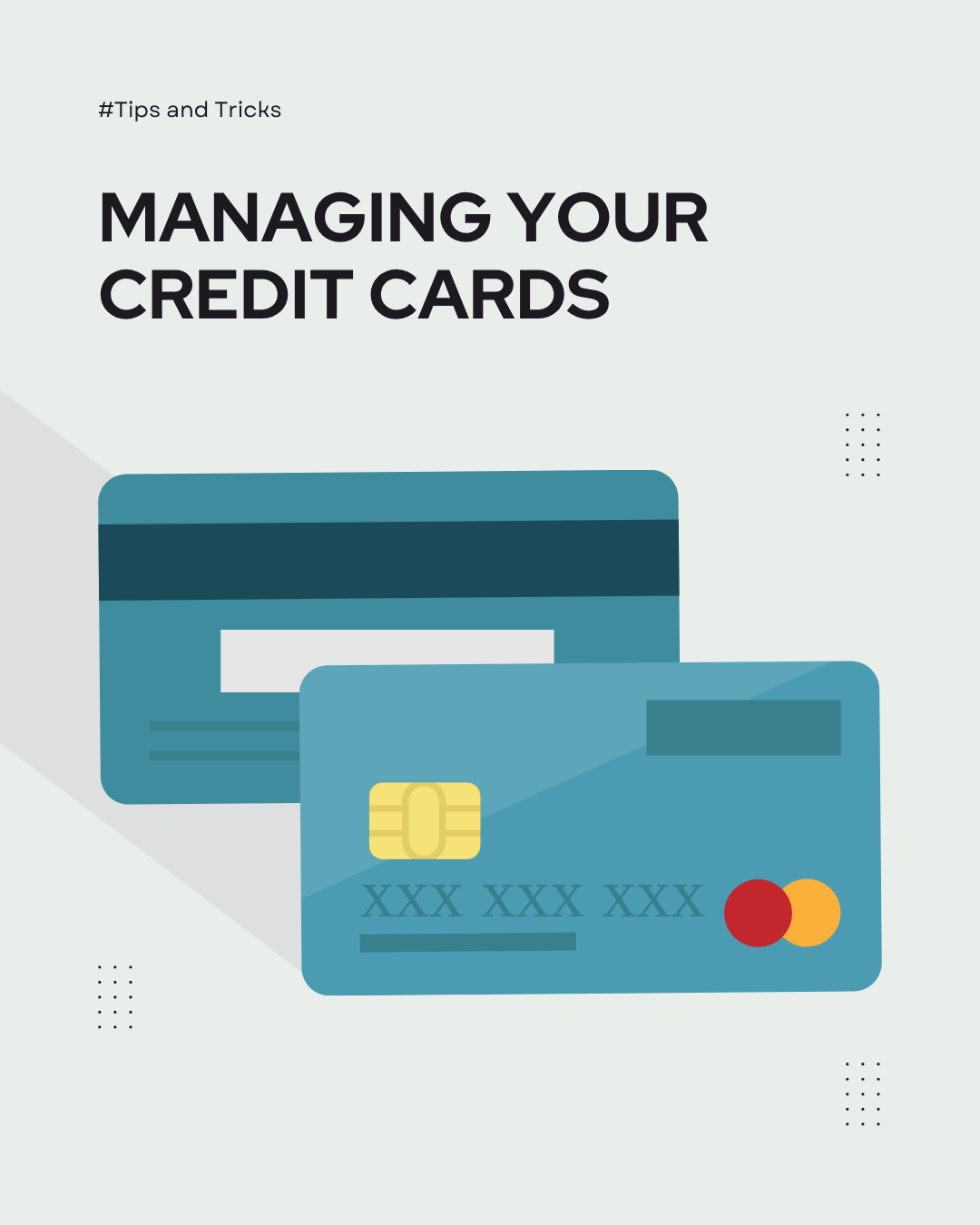
Managing Credit Cards

Credit cards can get a person into a lot of trouble and for good reason. When misused, credit cards can lead to unnecessary debt that can become a financial burden.

But in the right circumstances, credit cards can be a powerful tool to help establish credit. 

In the NeighborWorks Columbus homeownership program, we walk with people through the processes of building a strong financial foundation. This includes creating and maintaining a budget, helping people manage their debts and rebuild their credit scores, and for some it includes establishing credit in the first place. 

This is where credit cards come into play, but many people wonder where to start. Which credit card should you get? How should you use it? These are the questions we will walk through now. 

Who should get a credit card?

If you are struggling to manage your budget, it is not the time to get a credit card. But, if you have successfully built a money management plan and stuck to it, a credit card could be beneficial for you to boost your credit score. 

Which credit card should you get?

There are several credit cards that are known as starter cards. You will want to ensure you don’t get a credit card that comes with a fee. You also want to ensure your card has a relatively low spending limit to start out with so you don’t get into trouble. To get the most benefit from your cards, you also want to get one that reports to all three major credit bureaus. 

How do you use your credit card for the most benefit?

Spending isn’t usually an issue for people, right? If anything we need to be careful to not overspend, whether you’re using a credit card or any form of money. 

But, what we’re talking about here is how to use your credit card in a way that actually provides a benefit to your credit and doesn’t hinder it. 

There are a few key things to make a credit card work for you and not against you. The first is to set a monthly spending limit that is well within your budget. Some people choose to use it to only pay for gas, for example. 

You also want to make sure the spending cap you choose is not the one the credit card company gives you. The best way to use this card is to spend no more than 30% of what your limit is at any given time. So, if your credit card gives you a $1,000 limit, you will want to make sure you never have more than a $300 balance. 

Finally, and most importantly, make sure you pay your entire balance on time, every time. Setting up automatic payments is the best way to ensure you don’t forget. 

Filed Under: Blog, Financial Tips Tagged With: affordable housing, credit cards, financial fitness, homeownership

Keeping your goals alive during the holidays

Imagine this: You’re getting the hang of budgeting. You’re maybe even beginning to save a little money. You’re financially on track–and then, the holiday season hits and you lose focus. 

In a season that is full of distraction, festive events, and shopping deals, even the most well-intentioned financial planner can drift from their goals. So as we head toward the holidays, let’s equip ourselves with some tools to help avoid some of these pitfalls. 

  1. Make a plan before you get busy.

Most of us have a calendar that gets quite full between October and December. Gatherings with family and friends; performances to attend; traveling for some of us; and holidays themselves. Everyone’s schedule won’t look the same, but most of us will have some level of busyness creep in. So now, before you are swimming in festivities, is the perfect time to make a spending plan. 

Of course, we always recommend starting with your budget. If you don’t know how much you have available to spend on various things, you won’t be able to make a very good plan. If your money is tight, you could consider a way to make a little extra money, if spending is something you’d like to do this season. Possibly, there’s something you could sell on Marketplace or you could take on a small side job for the holidays, like house cleaning, yard work or one of these other ideas. 

Once you know how much you have to work with, you can prioritize the most important things to spend your money on. We even recommend planning what you want to buy, for whom, and where you may get it from. Any pre-planned detail will help you avoid impulsive spending when you get those ads in your inbox!

      2. Prioritize yourself.

The holidays are often considered a “season of giving,” but we’re here to tell you that prioritizing your own goals and needs is important. If you are saving for a big goal, like homeownership, or working toward paying off your debts, do not let those goals go. Do not let outside pressures to spend derail your progress. Remember, this goal won’t last forever, and it will make future celebrations all that much more exciting!

      3. Get creative.

Even while staying laser-focused on your goals, you can still find many ways to get in the spirit of the holidays! Have a fancy party or church event to attend and need a new outfit? Maybe you can start shopping second-hand or hold out for a big sale and find the perfect attire. Want to give some great gifts? Watch those sale ads and wait for the best deal. Perhaps you prioritize the children in your spending and send cards to adults? Maybe you can use your talents to offer a nice gift or service.

We fully believe you can have a meaningful holiday season, no matter your income or financial goals. We hope some of these tips can help you be festive without breaking the bank or your progress. 


But to end, if you overspend–like Forbes says 7 of 10 Americans do, you are not alone.Give yourself grace and continue working toward the finish line. Whatever holidays look like for you and yours, may your season be full of warmth, love, and light! 

Filed Under: Blog, Financial Tips Tagged With: affordable housing, columbus ga, financial planning columbus ga, holiday budget, holiday spending, saving during holidays

  • 1
  • 2
  • 3
  • Next Page »

Sitemap

About Us
Blog
Services
Available Sales
Privacy Policy

Donate
Resources
Amazon

Member Associations


Contact Us

NeighborWorks® Columbus
345 Sixth Street
Columbus, GA 31901
706.324.HOME (4663)
Click here to email us

Copyright © 2026 · NEIGHBORWORKS COLUMBUS, ALL RIGHTS RESERVED.
NeighborWorks Columbus is a Georgia Residential Mortgage Licensee #18557 NMLS #168384