• Donate Page
(706) 324-HOME (4663)

NeighborWorks Columbus, GA

  • Home
  • Services
    • Down Payment Assistance
    • Preparation
    • Lending
    • Pay Mortgage
  • Homebuyer Education
  • Real Estate
    • Newman’s Crossing Proposal Submissions
    • Available Listings
    • Realtor Partners
    • Elliott’s Walk
    • Highland Homes on 4th
  • About Us
    • Mission and Values
    • Board of Directors
    • Leadership Team
    • Annual Report
    • Financial Info
      • 2022 Tax Return
    • Partners and Supporters
    • Strategic Plan
    • Executive Summary
    • Our Blog
  • THE TEAM
  • Donate

All About Credit

Last month we talked to you about debt and how you can manage it to improve your credit score. Now let’s take a deeper look at credit.

Credit overview

Credit is a contract where a borrower owes money to a lender. These can be things like a mortgage, car note, student loan, or credit card. What  likely comes to mind  when thinking of credit is the credit score or ranking. 

Credit Score Basics

A credit score is a measurement system where lenders can determine how risky it is to loan you money based on how well you are managing your money and paying your debts on time. The score ranges from 300 to 850, and the higher the number the more likely you are to get approved for a loan at the most favorable interest rate. 

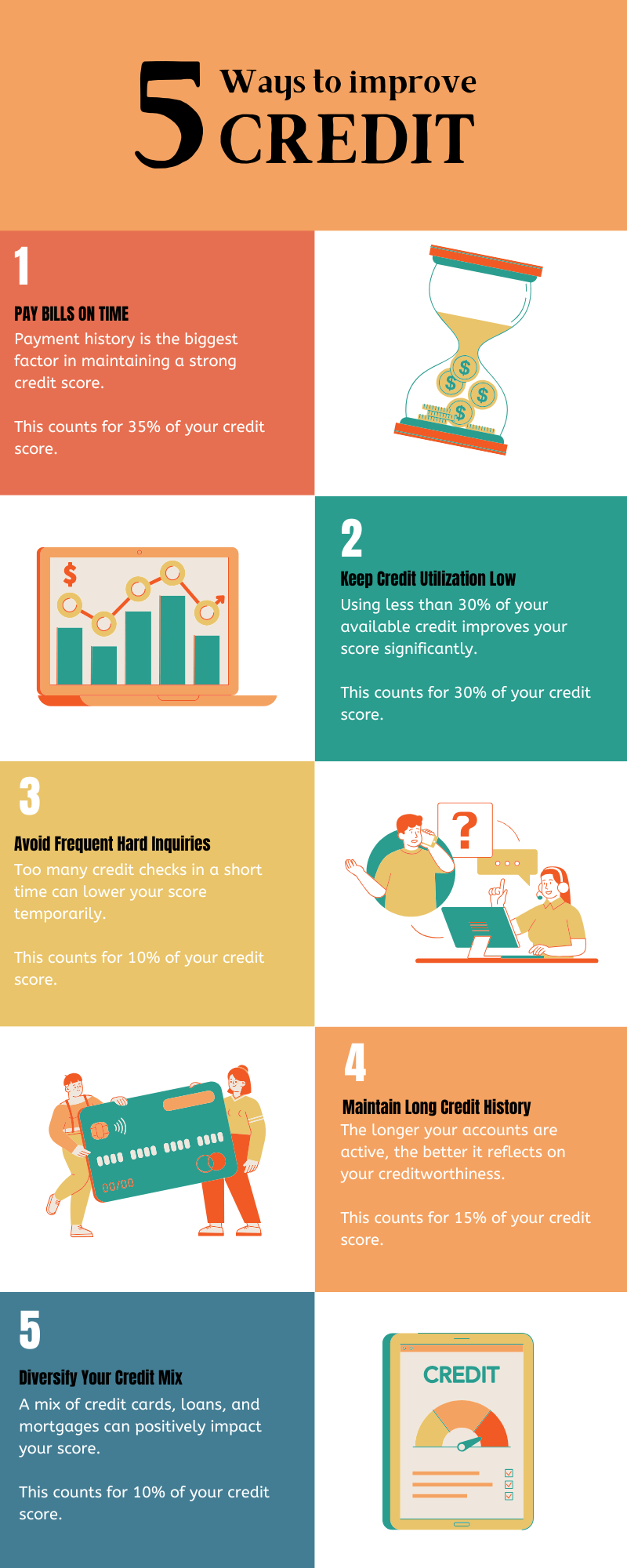
There are several things the scoring agencies take into account when calculating your credit score:

  • 35% of your score is determined by your payment history (whether you pay your bills on time). 
  • 30% takes into account how much of the credit you have available that you are using. Basically, the less you are spending on your credit maximum, the better. 
  • 15% is based on how long you have had credit.  So a 30-year-old who has had a credit card and paid it faithfully for 10 years will have a higher score than an 18-year-old with a credit card they have been paying for a few months. 
  • 10% is determined by your recently opened credits and inquiries. Every time you apply for a new line of credit (i.e. credit card), a lender will run an inquiry on your credit history. This will stay on your report for two years. At NeighborWorks Columbus we will run an initial credit history with a “soft inquiry” meaning it will not affect your credit score. 
  • 10% is from the types and mix of credit, meaning that its more favorable to have a variety of credit, like student loans, a car payment, and a mortgage. Of course, this is a low indicator in terms of affecting your score, so it’s far more important to be a good manager of your money than to take out multiple loans. 

While it’s not necessary to memorize all the details of how your credit score is calculated, these give you a good idea of areas to work on if you are aiming to improve your credit score. 

Since most of your credit score is determined by your money management, budgeting and tracking your spending is the best place to start. Here’s an article with some tips. 

Next, you want to work on paying off debt and lowering your DTI, which you can read about here. 

If you fall in the boat of being good at managing your money, but you have limited credit history established, this is the time to consider getting a credit card. You will want to use it cautiously and wisely and pay it off on time or else it will have a negative impact on your overall score. 

All this information comes from the Freddie Mac CreditSmart Essentials program, which we are working through on our Third Thursday classes. If you’d like to join us, please sign up here.

Filed Under: Financial Tips Tagged With: affordable housing columbus ga, credit repair columbus ga, housing Columbus Ga, money management

Is financial freedom within reach?

This month we celebrated Independence Day, but let’s talk about a specific kind of freedom: financial freedom.

Financial freedom may mean different things to different people, but ultimately it comes down to taking ownership of your finances–making your money work for you and not the other way around.

Many of us live paycheck to paycheck, and even if that describes you, you can achieve financial independence.

Let’s break it down a bit.

1. Budget

You can’t reach financial freedom without knowing exactly where you stand with your money. You need to take an honest assessment of how much income you make each month and what your expenses are. This can take a bit of a learning curve if you are new to it, so don’t get discouraged. There are several free apps available to help you think about all your possible expenses in a month, but when you are just getting started it’s definitely easy to forget something.

To get you started, write out all your income. If your paychecks aren’t always the same amount, try to make your best guess and aim on the lower side. That way you will not spend more than you know you will make.

Then, try to list all your expenses. Start with the things you can count on (like your basic bills). Then add in groceries, household supplies, doctor visits, medicines, eating out, entertainment, subscription services, clothing and debt payments. Don’t forget special events coming up like birthdays or holidays. Everyone won’t have all these expenses and some may have other categories but this is just to get you started.

2. Set Goals

Now that you’ve budgeted, you have a clear idea of your money (which by the way may take a month or two to get accurate. If you aren’t used to tracking your groceries or how much you spend on cleaning products, for example, that may take a few tries to get right). It’s time to set some financial goals. If you need to save money or pay down some debts, you now should have an idea of where you can cut out some expenses, like possibly not eating out as much or spending less on entertainment or streaming subscriptions. Shopping at thrift stores instead of clothes new off the rack. If you need to save money, find ways to temporarily sacrifice for your ultimate goal.

Here are some great goals to start with:

  • Pay down debts, especially if there are any in collections or any with very high interest rates
  • Build an emergency fund of at least $1,000
  • Start saving for something bigger, like a down payment on a new home
  • Invest in your future

3. Grow your income

There are only so many expenses a person can cut. And if you are living minimally, you may be out of options (you can’t cut your power bills and house payments, unfortunately)! It may be time to consider other sources of income.

You don’t necessarily have to get a higher paying job, though that could always be an option. You could consider taking up a side hussle or selling some of your goods on Facebook marketplace. You could even have a yard sale.

All of these things are great ways to either temporarily or for the long run make some extra money.

4. Celebrate milestones

When working toward a financial goal, especially if it’s a lofty one, it can be easy to get discouraged or lose sight. So it’s important to celebrate victories along the way, no matter how big or small they are! For example, if you are paying down multiple debts, reward yourself with a little treat when you pay down the first one.

If you are saving $1,000, celebrate being half way there.

No matter how lofty or little your income is, financial freedom is within your reach. Give yourself a lot of grace, and take one step at a time. This is a marathon and not a sprint, and with determination and careful planning you can achieve your goals.

Filed Under: Blog, Financial Tips Tagged With: affordable housing, budgeting, columbus ga, debt management, financial freedom, money management, savings

Is it better to save or pay off debt?

Tax season might be an exciting time for those who are getting a large refund. While it may be tempting to make a fun purchase, it not usually the best use of money.

But when it comes to making prudent spending choices, it can be hard to decide the best way to help you achieve your financial goals. Specifically, is it better to pay off debt or save money?

Let’s dive into some ways to help you navigate this decision!

  1. First, consider what types of debt you have:

Generally speaking, getting rid of debt is a good thing! And most of the time, it makes good sense to pay off your debts.

However, there are some types of loans that are significantly more problematic than others. Loans with high interest rates, like credit cards or title loans, should be paid as soon as possible. Otherwise, they will end up costing way more in the long run.

It’s also especially a good idea to pay down debts if you have any loans in default. These need to be paid ASAP.

Paying off debt can also help improve your credit score and make it easier to save money and reach more financial goals in the long run.

  1. Second, take a look at your financial situation.

It’s important to assess your current financial situation. For example, if you have little to no money saved away in an emergency fund, it is worth putting some aside for that. This of course would help ensure that you won’t find yourself in even further debt in the future.

You also may know you have some important necessary expenses coming up and need to take advantage of an opportunity to save. Perhaps your vehicle needs a big repair or you need to purchase another. Setting aside money for things like this can sometimes outweigh the benefits of paying off debt early.

  1. You may find a happy medium is best.

Everyone’s situation is different, but after examining your debt and financial goals, you may be able to use your refund to both save and reduce debt.

That could look like putting aside money for emergencies and then paying toward some loans. Maybe you make a necessary repair to your vehicle and put the rest to tackle one of those high-interest loans.

We hope this gives you some things to consider!

Filed Under: Blog, Financial Tips Tagged With: debt reduction, financial fitness, homeownership columbus ga, money management, savings, tax season

How to prepare for the return of student loan payments

For the last year and a half, most student loan borrowers have been off the hook from making payments, but in the New Year that is set to change.

The postponement of student loan payments is set to end Jan. 31, 2022, and now is the time to start preparing for this transition if you haven’t been making payments.

Don’t fret—there are plenty of options for repaying your loans in a way that will fit your current budget, and we’ll guide you through those right here.

First things first, you’ll need to assess what your budget is and how much money you can afford to comfortably put toward your student loans each month. Has your income increased or decreased in the last year? Are you struggling to catch up from being out of work during the pandemic? These are all things to consider.

Next, contact your student loan provider(s) to find out how much your payments are scheduled to be in January. If the amount is more than you are able to pay, you don’t need to panic. Most student loan providers are more than willing to work with you to come up with a repayment plan.

The best option for easing your payments is to apply for an Income-Driven Repayment Plan (IDR). This option takes your income and family size into account and sets your monthly payments at a rate that fits your discretionary spending for 12 months. You can reapply each year, and there is no cap on how many times your loan can qualify for an IDR.

In some cases, you can qualify for a loan forbearance, which will pause your payments all together for a year. This is not an ideal option because interest continues to build during this period and is added on at the end of your loan.

Neither of these, or any other repayment options, have a negative impact on your credit, as long as you make payments on time.

Also remember, any payment plan you set up can be changed without penalty. If your income or life situations change, communication with your student loan provider is key.

For more information on repayment options or to apply for an IDR, visit studentaid.gov.

Filed Under: Blog, Financial Tips Tagged With: affordable housing, columbus ga, credit, housing, money management, student loan payments, student loans

Managing money during COVID-19 and ways the federal stimulus may help

These times of global pandemic are truly unprecedented, so it’s only natural if you find your life is quite different than it was just a few weeks ago. You may be laid off from your job; you may be juggling working at home and schooling your children; you may be feeling nervous that you are still working in a setting that feels risky.

Whatever you are going through, we want you to know NeighborWorks Columbus is with you.

Prioritizing Your Spending

We want to help you navigate some of these times, particularly when it comes to managing your finances.

If your income has taken a hit during this crisis, it’s time to prioritize your spending. First, we recommend making a list of all your income and expenses and honestly ask yourself where you can make cuts. Here’s what many experts recommend for spending priorities.

  1. Food
  2. Utilities/Shelter
  3. Insurance
  4. Transportation

Spend in this order to maintain your basic household needs first, and if you have money left over you can work that into your other bills. Don’t forget about your debt payments, but if you see that you will not be able to make minimum payments in full, contact the companies immediately and see if you can work out a deal. You are not the only one in this situation, so there’s a good chance they will work with you.

Breaking Down the Federal Stimulus Package and Ways it Can Help You

By now you probably also have heard that there is a federal stimulus bill to help the country through this time. Not only will most Americans be receiving a check from the IRS, but there are also several components of the bill that may provide some financial relief to you during this time.

Stimulus Payment:

Under the bill, most Americans will receive money in the coming weeks to help ease the financial burden this pandemic has caused many.

Individual taxpayers will receive up to $1,200; married filing jointly will receive up to $2,400 and those with qualifying dependents under 17 will receive $500 per child.

The exceptions? Single taxpayers making $75,000 or above; married couples making $150,000 or above; and heads of household (single taxpayers with dependents) making above $112,500 will not receive these payments.

The money is based on your 2019 or 2018 tax returns if you haven’t filed last year’s taxes, and if you sign up for direct deposit with the IRS you will get a check in your bank account. If you receive paper refund checks, expect it to take longer but will come in the mail.

This check calculator from Forbes will help you calculate how much you will receive.

Unemployment

If you have been laid off from your job due to COVID-19, the good news is there will be a boost in unemployment wages.

In addition to the benefits of the state of Georgia, the federal stimulus will offer an additional $600/week and has been expanded from 26 to 39 weeks. Independent contractors are also eligible to receive these benefits.

In Georgia, all unemployment claims are filed on the Department of Labor website and not in person at this time. Employers are required to file a partial claims benefit on your behalf.

You can find a link to the Georgia Department of Labor site here.

Paid Family Medical Leave

Under the bill, individuals are offered up to 12 weeks of paid family medical leave if unable to work because school or daycares are closed. It covers ⅔ of your typical salary.

Paid Sick Leave for Full and Part Time Employees

Paid sick leave is available if you have Covid-19 or are taking care of someone who does.

Mortgage and Rent Relief

Homeowners can qualify for a 6 month forbearance on their mortgage payments. During that time, interest still accrues, but there are no fees, penalties, or extra interest added to the loans.

Renters, however, only have eviction protection if they live in housing that has a federally backed mortgage.

Do not just stop paying your mortgage or rent. You will need to be in touch with your landlord/mortgage lender to work out this deal ahead of time if your hardship is a result of the COVID-19 pandemic.

Student Loans

There will be no interest or payments due on student loans from April to Sept. 30. Additionally, if you are in a loan rehabilitation program (meaning you defaulted), it is still treated as if you are making the payments during these six months.

There is a lot to unpack in this stimulus package. While there is a statewide shelter in place order, NeighborWorks Columbus will not be open to the public, but our staff is available and just as committed to you. Give us a call, and we’ll guide you through a tough financial season.


Filed Under: Financial Tips Tagged With: budgeting in cover 19, covid 19, federal stimulus money, managing money in crisis, money management, understanding federal stimulus package

Sitemap

About Us
Blog
Services
Available Sales
Privacy Policy

Donate
Resources
Amazon

Member Associations


Contact Us

NeighborWorks® Columbus
345 Sixth Street
Columbus, GA 31901
706.324.HOME (4663)
Click here to email us

Copyright © 2026 · NEIGHBORWORKS COLUMBUS, ALL RIGHTS RESERVED.
NeighborWorks Columbus is a Georgia Residential Mortgage Licensee #18557 NMLS #168384